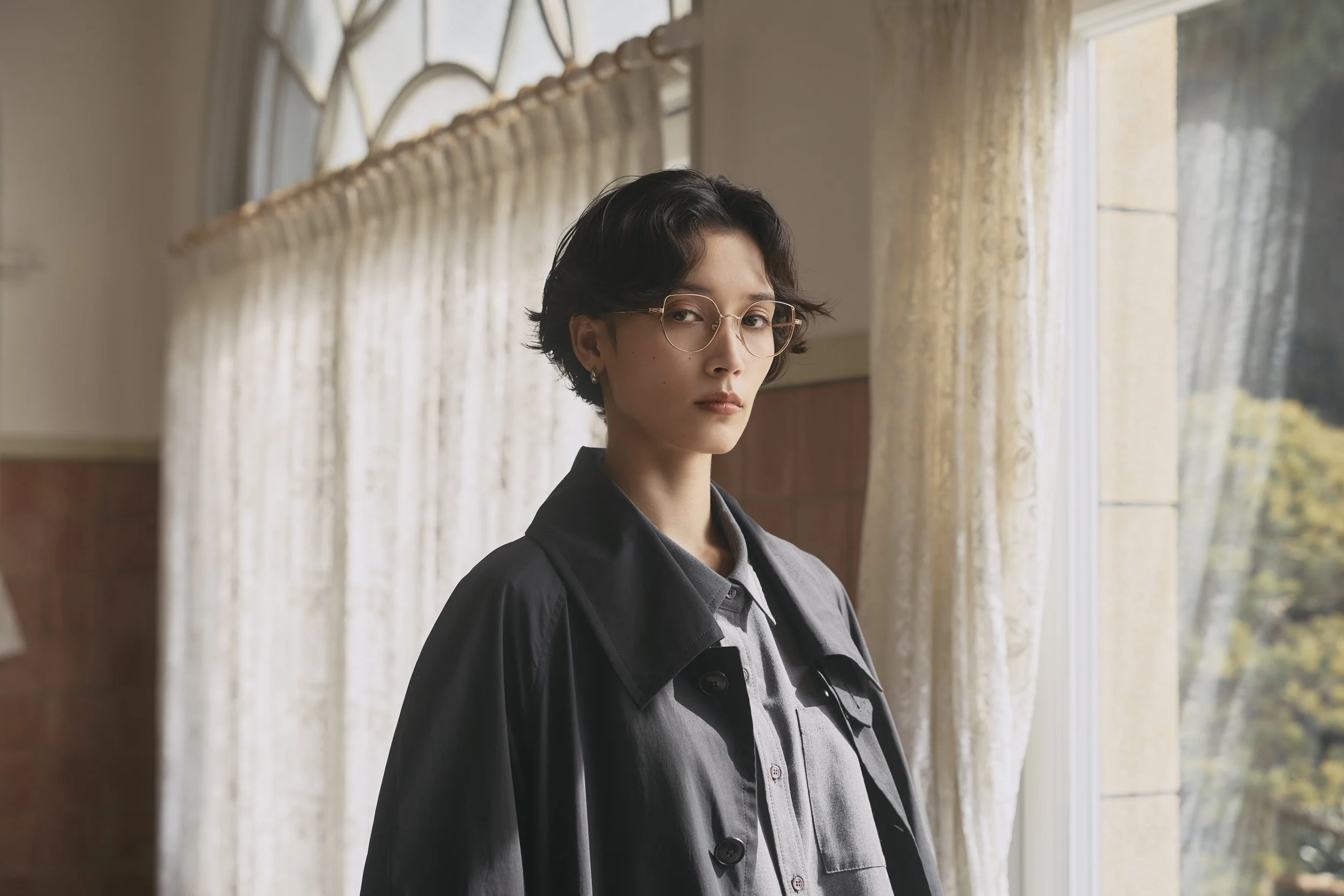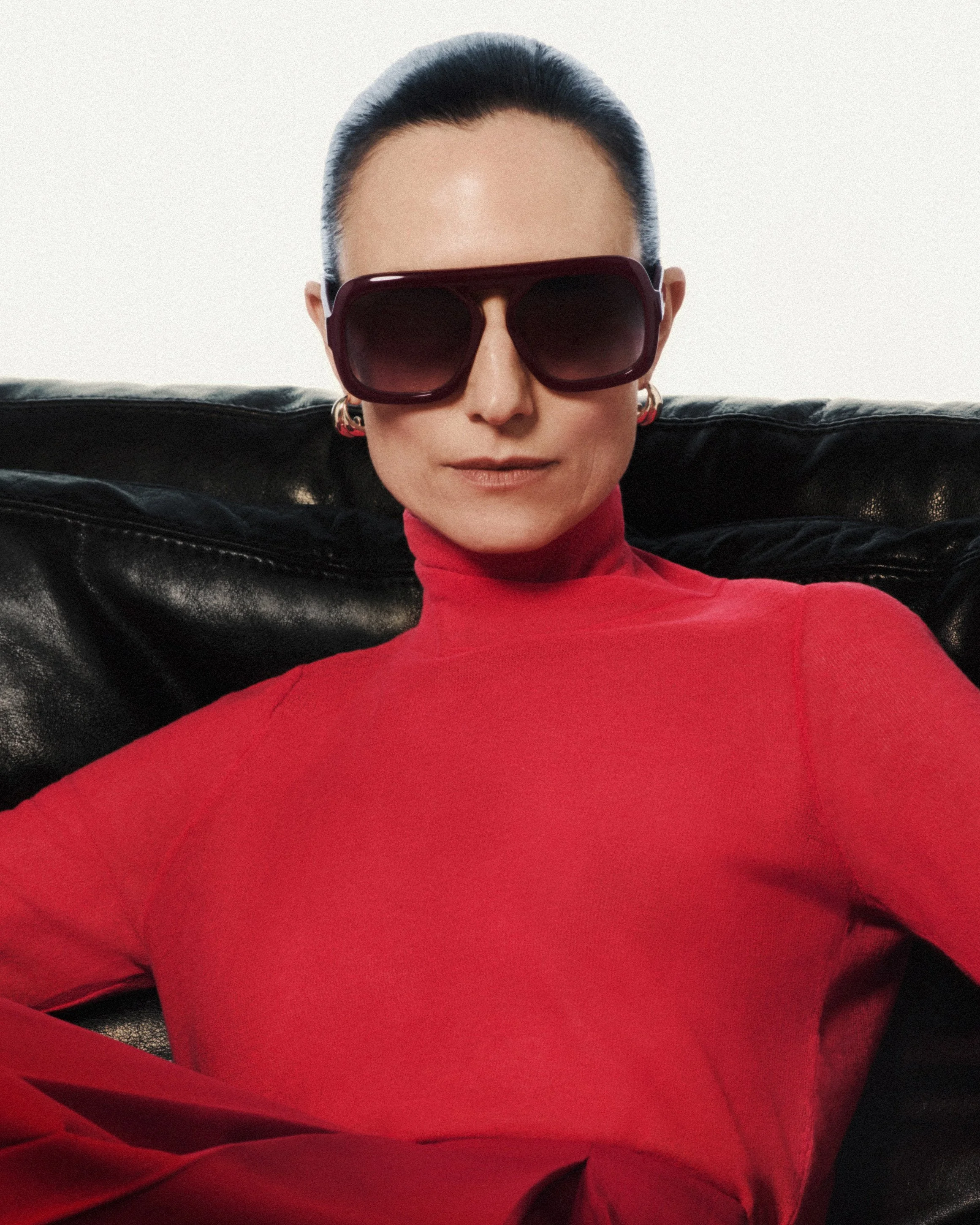
Relationships before orders
The eyewear trade runs on relationships, and in a market this size it runs on a small number of them. A practice taking on a new brand is giving up wall space that already earns its keep, so the decision has far less to do with a linesheet than with whether they trust the person handing it over.
We start there. Before we talk about opening orders we want to understand the practice — who walks through the door, what already sells, where the gaps are, and whether our brands genuinely fit. Sometimes the honest answer is that they don't, and we would rather say so than place stock that sits on a shelf for a year and sours the relationship.
The relationship is the thing we're actually maintaining. We stay in contact, we pay attention to how the brand is moving, and when a model isn't shifting we work that problem alongside you rather than leaving it on your board.
We know the product
A frame is a manufactured object before it is a fashion object, and the difference between a good one and an ordinary one comes down to details a patient never consciously notices — how the hinge is set, how the temple flexes, how a bridge sits on a face it wasn't specifically made for.
Our brands are chosen on that basis. KameManNen has been making eyewear in Japan since 1917, and it shows in the construction: the tolerances, the finishing, the way a frame returns to shape. Emmanuelle Khanh works from a Parisian archive dating to 1969, with a design language that has never needed reinventing.
We know these collections model by model — which shapes suit which faces, which colourways move and which sit, and what to reach for when a patient says they want something different and can't explain what that means. That knowledge is what we bring to a dispensing conversation. Anyone can send a price list.

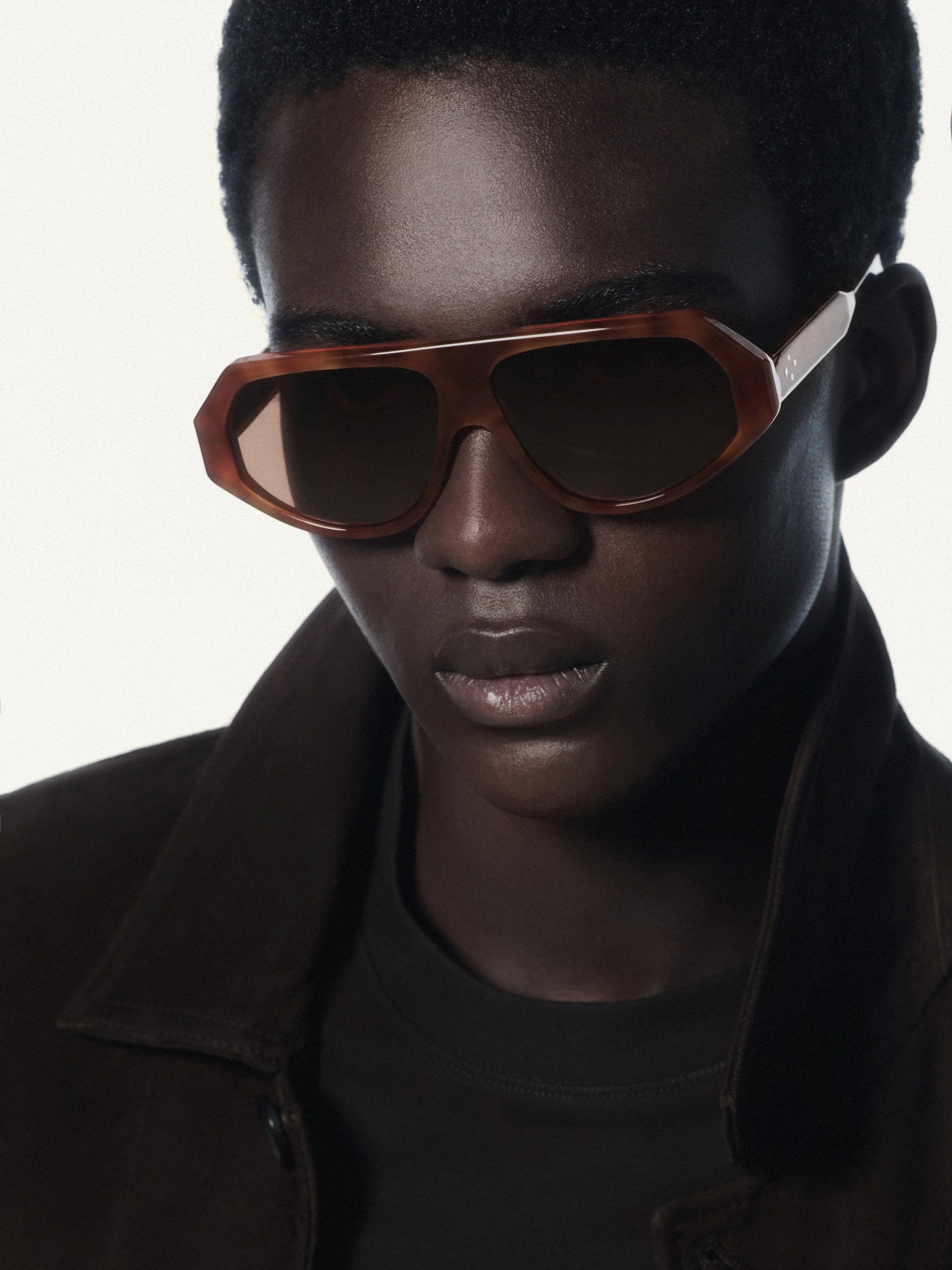
We know this market
Australia is a small and particular market. What sells in a Melbourne boutique doesn't necessarily sell in a Brisbane practice, and what a European brand assumes will work here frequently doesn't. Knowing the difference before an order is placed is a large part of our job.
We watch what's shown at the international fairs and what independent stores overseas are putting on their boards. More usefully, we watch what is actually selling in our own accounts across Australia and New Zealand — week by week, model by model. That gives us a read on where this market is moving that no brand sitting in Japan or France can have on its own.
We use it in two directions. It decides which brands we take on and which we pass on. And it shapes what we recommend to an account: when we put a selection in front of a practice, it is built from what is moving in rooms like theirs, not from what we happen to be pushing.